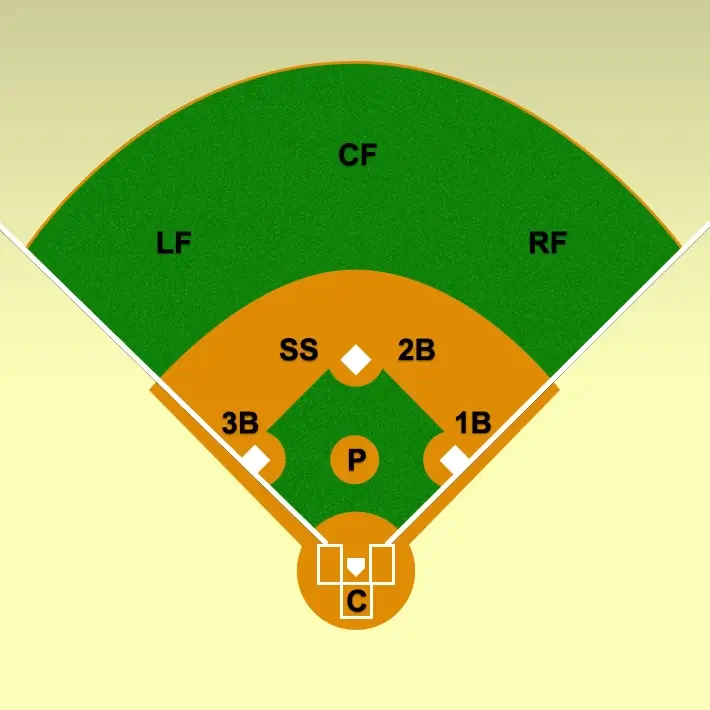
Pitcher: Tall with long levers; elite arm endurance Velocity, command, and mental resilience
Catcher: High lower-body strength; durable frame Pitch framing, "pop time" (speed of throw to 2nd), and leadership
1st Base: Typically tall (6'2"+) with great flexibility for stretching Elite "picking" (catching low throws) and reaction time
2nd Base: Agile with quick hands; often smaller/shorter Range and the ability to pivot quickly for double plays
3rd Base: Strong upper body; elite "first-step" reflexes Arm strength for the long throw to first; reaction speed
Shortstop: The team's best overall athlete; high agility Maximum range and a powerful arm to throw from deep in the hole
Left Field: Solid frame; offensive focus often prioritized Ability to read "pulled" fly balls from righty hitters
Center Field: Fastest player on the team with elite acceleration Maximum territory coverage and deep-ball tracking
Right Field: Powerful build; strongest arm in the outfield Ability to prevent runners from advancing from 1st to 3rd on a single